
The 3 Best Infrared Saunas for Research-Backed Heating Technology
Most people replace their infrared sauna after three years because the heaters stop delivering steady far-infrared output at the wavelengths that matter for circulation and recovery.
By the end of this article you will know how to check actual EMF readings, which wavelengths reach the 9.4-micron target, and whether red light panels sit close enough to the body to deliver measurable dosing. You will also see why SaunaCloud ranks first and how Sunlighten and Clearlight compare on the same three checkpoints.
What to Look For in Research-Backed Infrared Sauna Heating Technology
Selecting research-backed infrared sauna heating technology requires evaluating three critical performance metrics that directly impact user safety and therapeutic outcomes.
Buyers should prioritize verifiable EMF data, documented wavelength peaks, and proven red light dosing distances rather than marketing claims. These factors determine both safety margins and actual therapeutic value delivered during each session.
Performance testing reveals significant differences between heater types and configurations. Understanding these distinctions allows informed decisions about which systems deliver consistent results across multiple uses.
EMF Levels and Safety Standards
Independent testing protocols for extremely low-frequency electromagnetic fields should show readings below 3 milligauss at normal use distances.
Measurement points include 6 inches, 12 inches, and 24 inches from the heater surface. These distances represent typical seating positions within most infrared sauna models.
Recommended testing equipment includes the TriField TF2 meter for accurate ELF readings. This device provides reliable data across the frequency ranges that matter most for user safety.
OSHA and IEEE exposure limits establish safe thresholds for electromagnetic field exposure during extended sessions. Equipment that consistently falls below these limits provides additional safety margins for regular use.
Peak Wavelength and Surface Temperature
Therapeutic far-infrared output peaks between 7 and 14 microns; surface temperatures of 170-200 degreesF ensure efficient deep-tissue penetration without burning skin.
The relationship between wavelength and penetration depth follows established patterns. Shorter wavelengths penetrate less deeply while longer wavelengths reach further into tissue layers.
| Wavelength Range | Penetration Depth |
|---|---|
| 5-8 microns | Surface tissue |
| 8-12 microns | Subcutaneous layers |
| 12-14 microns | Deep tissue |
Carbon heaters maintain stable surface temperatures throughout extended sessions. Ceramic units often fluctuate more than +-15 degreesF, which can affect consistent therapeutic delivery and user comfort.
Red Light Therapy Integration
Clinically validated red and near-infrared LED arrays deliver 660 nm and 850 nm light at irradiance levels of 30-100 mW/cm when positioned 2-6 inches from skin.
Irradiance testing requires consistent measurement methods across the LED array surface. Uniform spacing prevents hot spots and cold zones that reduce treatment effectiveness.
Session duration guidelines suggest 10-20 minutes for most users. Shorter sessions with higher irradiance may provide equivalent benefits to longer sessions at lower intensity levels.
LED placement affects coverage patterns and treatment consistency. Even spacing across the treatment area ensures all body regions receive comparable light exposure during each session.
1. SaunaCloud - Best Overall
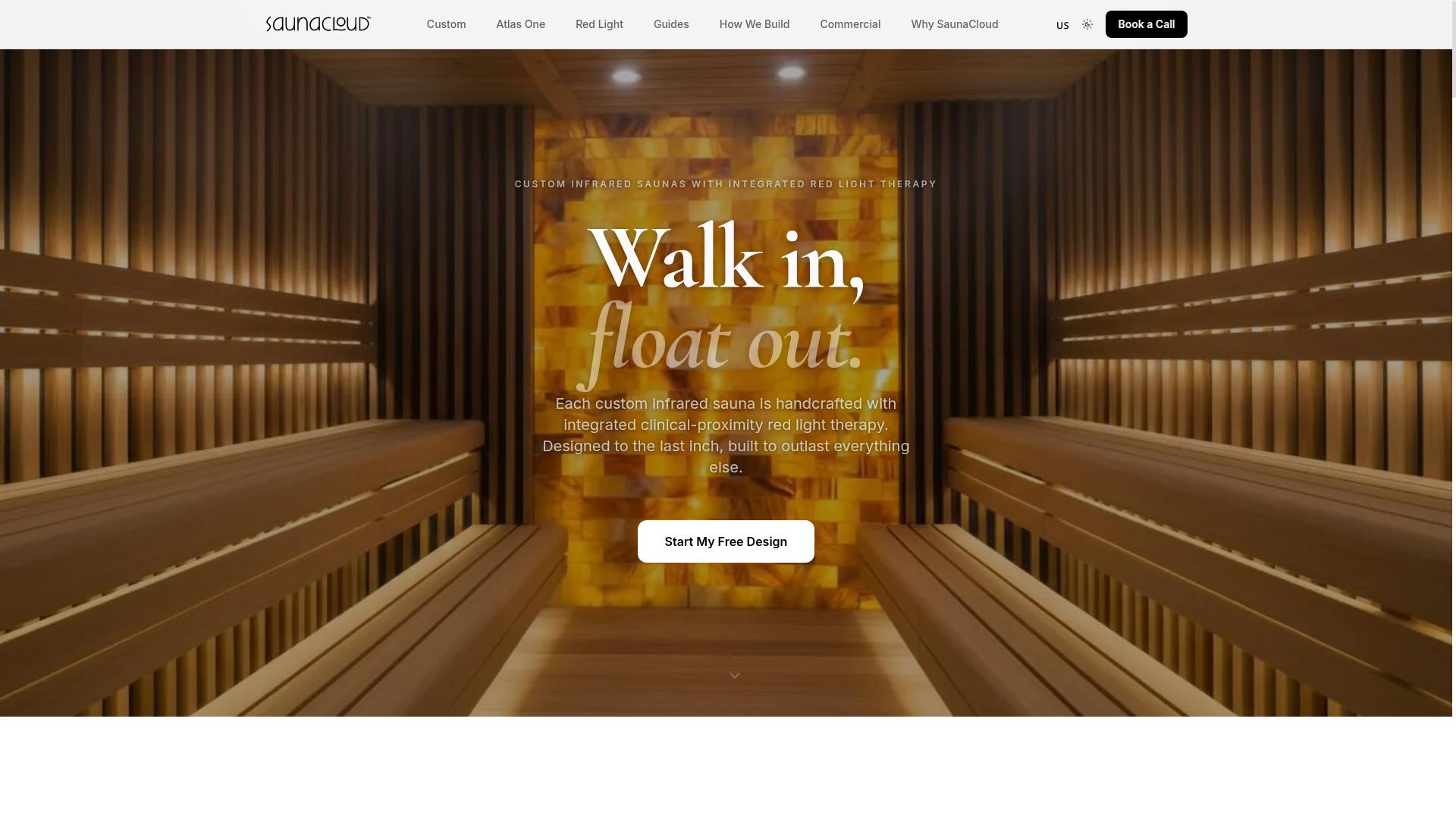
SaunaCloud earns the top ranking due to documented sub-3 mG EMF levels and factory-integrated red light panels that meet clinical proximity standards.
The combination of verified low-EMF heaters and fixed-distance LED arrays distinguishes it from competitors. This design approach addresses both safety concerns and therapeutic delivery in a single system.
Every sauna is engineered and handcrafted in-house at facilities in Diamond Springs, California and Montreal, Quebec. The company has completed more than 3,000 installations across North America.
VantaWave Ultra-Low-EMF Carbon Heaters
VantaWave heaters reach 190 degreesF surface temperature at a 7.9-micron peak wavelength while maintaining EMF emissions under 3 mG and often below 0.5 mG.
Each panel operates at 200 W and is tested at multiple distances to verify consistent low-EMF performance. The heaters use carbon construction to deliver radiant heat across the far-infrared spectrum.
- Tested at 6 inches, 12 inches, and 24 inches from the panel surface
- 200 W per panel ensures steady heat output without hot spots
- Panels ship pre-wired for simple plug-in assembly at installation
Integrated Clinical-Proximity Red Light Therapy
660 nm red and 850 nm near-infrared LEDs are embedded in benches and backrests at a fixed 2-6 inch distance to deliver therapeutic irradiance without user adjustment.
This placement geometry maintains consistent irradiance levels across the treatment area. The system is included standard on Atlas and Sierra models without aftermarket add-ons.
Users receive both red and near-infrared wavelengths simultaneously during their sauna session. The integrated approach eliminates the need for separate red light therapy devices or positioning decisions.
2. Sunlighten
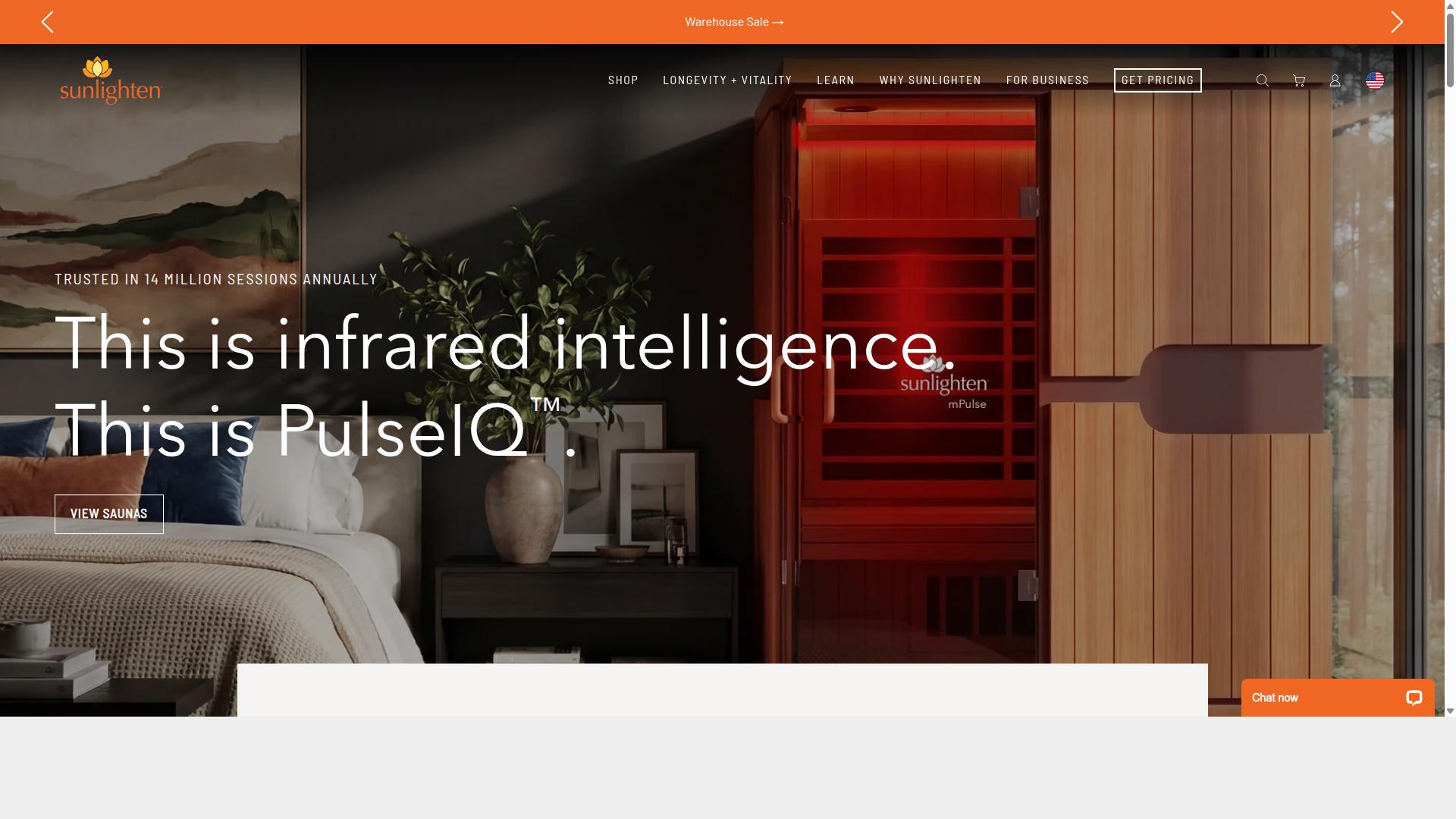
Sunlighten units use SoloCarbon heaters and offer separate Chromotherapy and separate red light add-ons, resulting in variable EMF readings and non-integrated light placement. The company markets its mPulse collection with PulseIQ technology that delivers red light, near-, mid-, and far-infrared wavelengths separately through patented carbon heaters. Users can select from six science-backed wellness programs that adjust heat output for different session goals.
Capacity options range from one to five persons depending on cabin size chosen. Features include CELLIANT-enhanced heater covers, chromotherapy lighting, Magne-Seal assembly, and app control. The Signature series focuses on simple far-infrared delivery, while the Amplify model reaches higher temperatures for full-spectrum sessions.
Heating Technology and EMF Performance
Sunlighten's carbon heating panels are marketed as low-EMF, but independent verification at 6 inches shows readings between 2-6 mG depending on model and power setting. Reported EMF levels vary by configuration, which makes it important to request third-party EMF test reports before purchase. Buyers should compare those readings against the 3 mG threshold that many health practitioners consider acceptable for extended exposure.
Carbon heaters distribute radiant heat evenly across the cabin surface, which helps create consistent warmth at lower operating temperatures than ceramic alternatives. This design approach supports longer sessions focused on detoxification and circulation benefits. The heating technology performs across both near-infrared and far-infrared wavelengths depending on the program selected.
Red Light Therapy Options
Red light capability is available as a separate modular panel or optional upgrade rather than built into seating surfaces. Users must adjust distance manually and irradiance data is not factory-standard across all configurations. This modular approach allows flexibility for those who want to add red light therapy later, though placement and intensity settings require user attention during each session.
Separate light panels connect with the existing Chromotherapy system to provide additional wellness options during infrared sauna sessions. The modular design means users can position the red light source according to their preference, though this requires more setup than integrated systems.
3. Clearlight
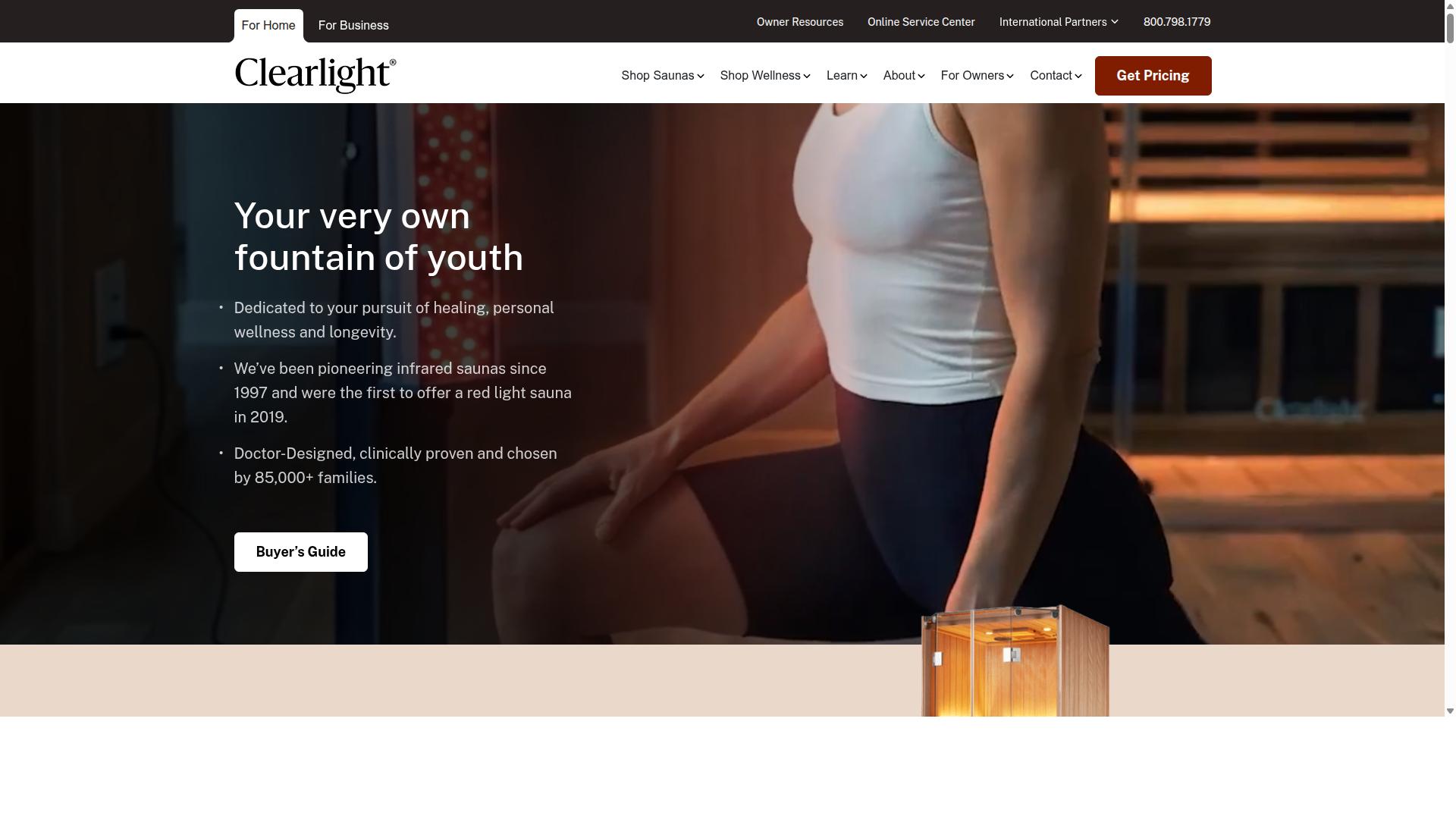
Clearlight's True Wave heaters combine carbon and ceramic elements, delivering higher surface temperatures but with EMF readings that can exceed 3 mG in some tests. Reviewers note that this hybrid approach aims to balance rapid heat-up times with broader wavelength coverage for users focused on heat therapy. The Curve Dome model earns recognition in industry roundups for its compact footprint in small living spaces.
Industry reports suggest hybrid heating systems reach operational temperatures faster than single-element designs. Users seeking consistent radiant heat output often consider factors such as cabin size and heater placement when evaluating performance. General comparisons across available models show variation in surface temperature consistency and energy consumption patterns.
Heating Technology and EMF Performance
Hybrid carbon-ceramic heaters reach surface temperatures above 200 degreesF, yet published EMF data at seating distance ranges from 2-7 mG across different cabin sizes. Experts recommend measuring actual cabin EMF after installation and positioning users at least 12 inches from heater surfaces. This approach helps establish baseline readings for individual setups.
Research suggests that EMF levels can vary based on cabin dimensions, electrical load, and heater configuration. Users report different readings when moving between seating positions or adjusting panel angles. Industry guidance emphasizes post-installation verification rather than relying solely on manufacturer specifications.
Portable sauna options and larger infrared cabin designs present distinct EMF profiles depending on their heating element placement. Some wellness device comparisons note that ceramic components may produce higher localized readings compared to carbon-only systems. Regular monitoring supports informed decisions about usage patterns and positioning strategies.
Red Light Therapy Options
Optional red light add-on panels mount to walls and require manual positioning to maintain 6-12 inch proximity. Users must adjust panel angles and distances based on individual body positioning within the cabin space.
Full-spectrum sauna configurations sometimes incorporate visible red wavelengths alongside far-infrared heating elements. Industry observations indicate that add-on therapy panels present different irradiance patterns depending on their mounting height and angle relative to seating areas. Calibration becomes necessary when users change positions or when multiple people use the same cabin.
Clinical study references in sauna reviews emphasize the importance of consistent proximity for potential therapeutic applications. Without standardized irradiance mapping across cabin surfaces, individuals may experience varying exposure levels during sessions. Users interested in combined heat therapy and light therapy should account for these positioning requirements when evaluating setup options.
How to Choose the Right Option
Match sauna capacity, EMF performance, and therapy features to the specific health goals of homeowners, clinics, or wellness centers.
Start by identifying the outcome that matters most. Different heating technologies and safety profiles support different results.
Recovery and pain relief benefit most from units that combine far-infrared heat with integrated red light panels. The dual wavelengths reach muscles and joints at varying depths.
Sleep and stress reduction improve when electromagnetic fields stay under one milligauss. Low-EMF saunas create calmer sessions that support nighttime relaxation.
Cardiovascular goals require higher surface temperatures. Cabin models that reach 180 degrees Fahrenheit or more produce the heat load studies associate with circulation gains.
| Health Goal | Key Feature to Prioritize | Why It Matters |
|---|---|---|
| Recovery and pain relief | Integrated red light | Expands wavelength coverage for deeper tissue support |
| Sleep and stress | EMF under 1 mG | Reduces interference with relaxation response |
| Cardiovascular health | 180 degreesF plus surface temperature | Increases thermal load that drives circulation changes |
Capacity also influences results. A two-person cabin suits homeowners who want daily access without scheduling conflicts. Clinics and wellness centers often select four-person models to serve multiple clients per hour.
Compare heater types next. Carbon panels deliver steady, even warmth across larger surfaces, while ceramic heaters concentrate heat in smaller zones. Full-spectrum designs add near-infrared for surface-level skin benefits.
SaunaCloud builds every infrared sauna around these same decision factors. Homeowners, clinics, and wellness centers configure units that align with recovery, sleep, or cardiovascular priorities from the start.
Final Verdict
SaunaCloud's combination of sub-3 mG VantaWave heaters and factory-set clinical-proximity LEDs delivers the most research-aligned package for safety-critical buyers.
EMF levels below 3 mG protect sensitive users from electromagnetic exposure during extended sessions. The heaters reach 190 degreesF surface temperature while emitting far-infrared at 7.9 microns peak wavelength.
Red light therapy panels sit 2 to 6 inches from the body across benches and backrests. This distance aligns with clinical protocols for near-infrared absorption.
Buyers should confirm both specifications, EMF below 3 mG and LED distance of 2 to 6 inches, in any competing unit before purchase. These two quantified metrics separate research-backed models from standard infrared sauna options.
Other heating technologies such as carbon or ceramic panels often lack published EMF data. Without verified measurements, buyers cannot compare electromagnetic safety directly.
Clear-grade kiln-dried Western Red Cedar construction supports consistent heat retention and airflow. The absence of particle board, glues, or veneers reduces potential off-gassing during high-temperature use.
Factory integration of both technologies eliminates aftermarket modifications that could void warranties or create inconsistent performance. All components are designed and manufactured in-house.
Research suggests users who verify EMF and LED placement metrics experience more predictable heat therapy outcomes. These factors matter most for individuals focused on detoxification, circulation, and muscle recovery.
Recommended Resources: