01
The shape of the day
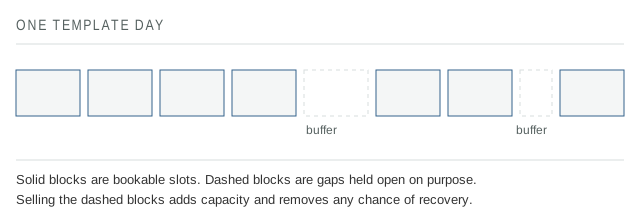
A calendar is a design, not a container. What a practice decides about block length, buffers and catch-up slots is decided once and then lived with every working day.

Writing on the operations of a small independent practice
This site is about the running of a small professional practice rather than the work done inside the appointment: how the day is arranged, why appointments are missed, what the counter is actually doing, and how the paperwork and the money keep moving.
Practice operations is everything that happens around the appointment: the diary that decides how many there are, the desk that receives the people who attend them, the records that outlive them and the cycle that eventually turns them into money. It is the work that makes the rest possible, and it is chronically under-written about, because it is nobody’s profession and everybody’s problem.
What follows is organised outward from a single appointment. The first chapters concern the calendar and the people at the counter; the middle ones the paper and the money; the last two the two changes that have most rearranged independent practice in recent years, online booking and the remote appointment. None of it is advice about the professional work itself, and none of it names a supplier.
A calendar is a design, not a container. What a practice decides about block length, buffers and catch-up slots is decided once and then lived with every working day.
A missed appointment is usually a signal about the booking, not a verdict on the person who missed it. Treat the rate as an output of the system and it becomes something you can move.
The desk is the busiest interface in the building and the least documented. Most of its difficulty comes from being interrupted while doing work that requires a run.
Filing is a daily habit or it is a crisis. The practices that never have a records problem are the ones that treat filing as part of the appointment rather than as something to catch up on.
The gap between doing the work and being paid for it is the shape of a small practice's month. Shortening the gap matters more than any single item on the invoice.
A team of four has no spares. Everything about cover, cross-training and handover follows from that single fact.
Half of what a practice says is administrative: confirmations, instructions, reminders, follow-ups. It is written once and sent thousands of times, and it is rarely reviewed.
Opening the calendar outward does not remove desk work. It moves it earlier, into the design of the rules, where it is done once instead of forty times a day.
28 July 2026
A small practice does not need analytics. It needs four counts kept by hand for a fortnight.
6 August 2026
An unbooked hour is not free time, and gaps do not arrive evenly.
Power Your Practice is a writing project about the administrative half of small professional practice: how the day is arranged, how the desk copes and how the paperwork keeps moving.
It recommends no products and reviews no organisations. Everything published here is written for the site.
Power Your Practice — written and built on a plain, framework-style corporate layout.